With a traditional bottle feed, gravity does most of the work. The baby lies back, the bottle points down, and milk drips into their mouth even when they're not sucking. To keep from choking, the baby has to swallow, so they keep drinking past the point where they'd naturally stop. Paced bottle feeding turns that around. Your baby sits more upright, the bottle stays close to horizontal, and milk only comes when they actively suck. Your baby controls the pace, not the bottle, which is exactly how feeding works at the breast.
The most immediate benefit is that it helps prevent overfeeding. A young baby's fullness signal runs a few minutes behind their stomach, and a fast-flowing bottle can deliver a full feed before that signal ever arrives. When your baby sets the tempo, they get the time they need to notice they're done, and they learn to trust that feeling. Slower feeds also mean less gulped air and less milk arriving faster than a small stomach can handle, which for many babies translates into noticeably less gas, less spit-up, and less post-feed fussiness.
And if you're combining breast and bottle, pacing matters even more. A standard bottle rewards lazy sucking: milk flows freely, no effort required. The breast asks for real work. Some babies who get used to the easy version start fussing at the breast or refusing it altogether, which lactation consultants often call flow preference. Paced feeding keeps the bottle honest. It makes bottle feeds feel more like breastfeeds, so your baby doesn't learn that one is easier than the other, and switching between the two stays smooth for everyone: you, your partner, grandparents, daycare.
You don't need special equipment, just a slow-flow nipple and a little patience. The whole technique comes down to position, angle, and pauses:
| Paced bottle feeding | Traditional bottle feeding | |
|---|---|---|
| Baby position | Upright or semi-upright | Lying back, cradled flat |
| Bottle angle | Nearly horizontal, nipple just filled | Tilted steeply down, nipple always full |
| Flow | Only when baby actively sucks | Continuous, gravity-driven |
| Who leads the pace | The baby | The bottle |
| Typical feed length | About 15 to 20 minutes | Often 5 to 10 minutes |
A paced feed usually takes about 15 to 20 minutes, which is roughly how long a breastfeed takes, and that's the point. If the bottle empties in five minutes, the flow was doing the feeding, not your baby. Those extra minutes aren't lost time; they're the buffer that lets your baby's fullness signal catch up with their stomach.
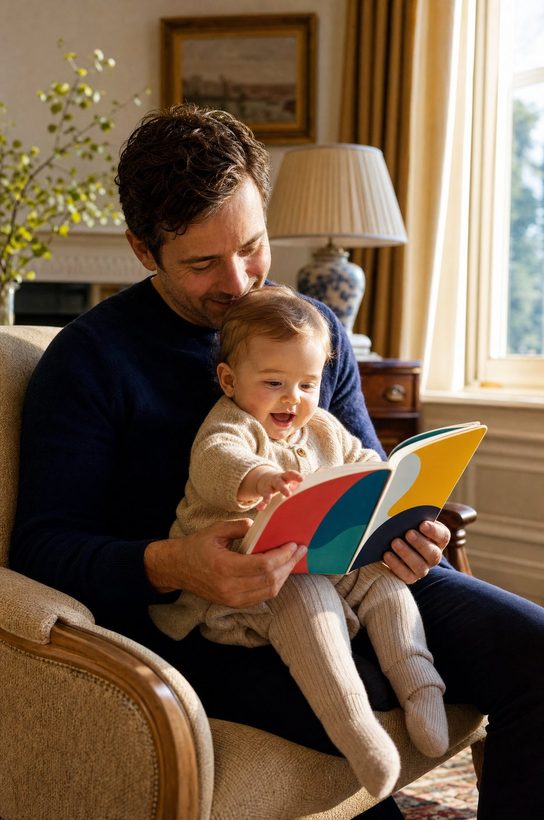
Fifteen slow minutes, your baby in your arms, nowhere else to be. Paced feeding isn't just gentler on a small stomach. It turns the bottle back into what a feed was always meant to be: time together.
When you're feeding responsively, the bottle stops telling you how much your baby "should" drink, and the pattern across the day starts to matter instead: how much, how often, how the gaps are stretching. With Darli you log a bottle feed, the amount, and the time in one tap, one-handed, mid-feed.
The timeline then shows you what a single bottle never can: that your baby is getting enough across the day, even when individual feeds run small. If you're combining bottle with breastfeeding or pumping, everything lands in one place, so whoever does the next feed, you, your partner, or grandma, picks up exactly where the last one left off.
Sleep, feeds, diapers: one tap is enough. Darli sorts the rest.
Paced bottle feeding is a slower, baby-led way to give a bottle that mimics the rhythm of breastfeeding. Your baby sits upright or semi-upright, the bottle stays nearly horizontal, and milk only flows when your baby actively sucks, with short pauses built in every 20 to 30 seconds. Instead of gravity emptying the bottle into your baby, your baby drinks at their own speed and stops when they're full.
Because it lets your baby control the pace instead of the bottle. That helps prevent overfeeding, since a baby's fullness signal needs a few minutes to catch up with their stomach, and it often means less gulped air, less gas, and less spit-up. For breastfed babies it has one more big benefit: the bottle stops being the easy option, so your baby doesn't develop a preference for the faster bottle flow over the breast.
Hold your baby upright, keep the bottle close to horizontal so the nipple is just filled with milk, and touch the nipple to their lips so they draw it in themselves. Let them suck, then pause every 20 to 30 seconds by tipping the bottle down, and switch arms about halfway through the feed. Watch for fullness cues like turning away or pushing the nipple out, and stop there instead of coaxing down the last ounce.
No. It was popularized to protect breastfeeding, but the core benefits apply to every bottle-fed baby: drinking at their own pace, learning their own fullness cues, swallowing less air, and being less likely to be overfed. Exclusively formula-fed babies gain just as much from a feed that follows their signals instead of the clock or the ounce markings.
Usually about 15 to 20 minutes, which is roughly the length of a typical breastfeed. If the bottle is empty after five minutes, the flow was likely too fast for your baby to pace themselves; a slower nipple and more frequent pauses help. And a feed that runs a bit longer is fine too, as long as your baby is actively drinking and content.
Yes, and it's easier than at the breast, because a fast, continuous flow can deliver a full feed before your baby's fullness signal arrives. Common signs are frequent large spit-ups and fussiness right after feeds. Paced feeding, a slow-flow nipple, and respecting fullness cues reduce the risk considerably; if you're unsure about your baby's intake or weight gain, your pediatrician is the right person to check with.
Note the time and the amount your baby actually drank, not what was in the bottle, and look at the pattern across the day rather than judging any single feed. With Darli that's one tap per feed, and bottle, breastfeeding, and pumping all land in the same timeline. That way you, your partner, and anyone else who feeds your baby always see when the last feed was and how the day adds up.
This guide is not a substitute for medical advice. If you are worried about your child, talk to your pediatrician or midwife.